
Shoulder Pain Treatment in Beaumont & Houston, TX
Shoulder Pain Specialists in Texass
Shoulder pain is a common but complex complaint that can significantly impact your daily life and mobility. The shoulder joint provides an exceptional range of motion, which is a major advantage—but also a liability.
Because the ball-and-socket mechanism is relatively unstable compared to other joints, it is more vulnerable to strain, overuse, and structural injury. Whether your pain arises gradually or suddenly, accurate diagnosis and targeted treatment are essential to restoring normal function and preventing long-term complications.
Are You Ready to Get Back to Normal?
We treat a variety of spine conditions, including acute back disorders, sciatica, scoliosis (both adult and pediatric), failed spine surgeries, spinal deformities, fractures, spondylolisthesis, and pinched nerves. At Spine Associates, we know the importance of addressing inflammatory and degenerative conditions such as herniated discs, degenerative disc disease, spinal stenosis, osteoporosis, and arthritis. Call us at 888-977-4625 to schedule your appointment.
What Leads to Chronic Shoulder Pain and Limited Mobility
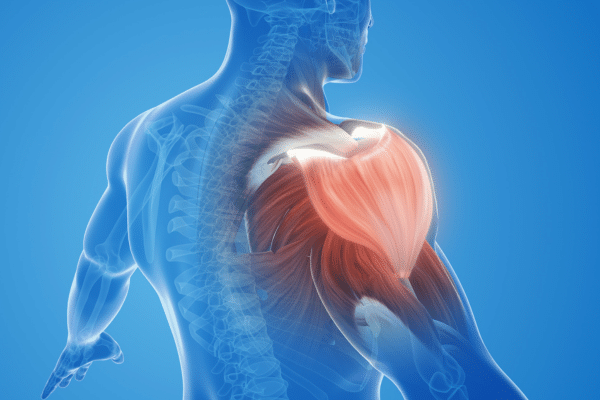
Many adults experience shoulder pain as a result of tendon inflammation, joint wear, or repeated overhead motion. Conditions such as bursitis or tendinitis occur when the protective bursa or rotator cuff tendons become irritated through repetitive activity, aging changes, or poor mechanics.
Arthritis of the shoulder joint or degeneration of surrounding tissues adds another dimension, gradually restricting the range of motion and causing discomfort during routine tasks. Trauma—such as a fall, a dislocation, or a fracture—can trigger acute shoulder pain, but the underlying weakness or joint instability may perpetuate chronic symptoms if not addressed.
In some cases, pain in the shoulder may even originate from the neck or chest and present as referred pain.
Recognizing the Key Signs of Shoulder Pain Requiring Professional Care
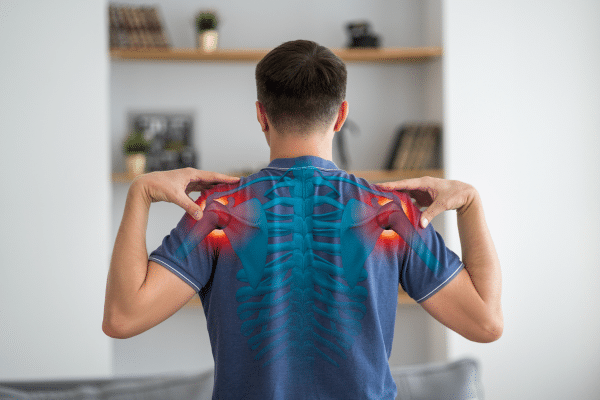
Shoulder pain can present as an aching soreness, sharp stabbing when lifting the arm overhead, weakness when reaching behind the back, or difficulty lying on the affected side.
You may notice stiffness and reduced range of motion, trouble performing getting dressed, or persistent discomfort that interferes with sleep. If your pain arose suddenly after injury or is accompanied by redness, swelling, numbness, or tingling in the arm, a prompt evaluation by a spine or shoulder specialist is advisable to avoid further damage.


Why Proper Treatment Matters for Shoulder Pain and Return to Function
Ignoring shoulder pain can lead to muscle weakness, joint stiffness, and altered movement patterns that affect the shoulder, neck, and upper back.
Over time, compensations increase the risk of rotator cuff tears, joint arthrosis, and other secondary problems. Early intervention supports muscle balance, restores normal mechanics, and reduces the likelihood of needing more invasive treatments later.
In our practice at Spine Associates, we consider your entire upper-body chain—including posture, spine alignment, and shoulder girdle mechanics—so you achieve lasting relief and optimal function..
Proven Approaches to Treating Shoulder Pain and Restoring Mobility
Our approach to shoulder pain begins with a comprehensive evaluation to identify the underlying cause of symptoms—whether tendon, joint, ligament, or referred from another area. Conservative care is the foundation, focusing on physical therapy to strengthen the rotator cuff and periscapular muscles, optimize shoulder mechanics, manage inflammation, and restore range of motion.
For select patients, interventional pain management in the form of minimally invasive injections or bracing may support recovery. If structural damage or instability is severe, arthroscopic or open surgical options may be discussed to repair torn tissues or correct alignment. Whatever the path, our goal is to reduce pain, restore movement, and help you return to your active life without shoulder limitation.
FAQs About Shoulder Pain and Your Recovery
What might cause shoulder pain without any injury?
Shoulder pain without a known trauma often stems from repetitive motion stresses, age-related tendon degeneration, bursitis, or gradual joint wear.
Can physical therapy alone treat shoulder pain?
Yes, many patients achieve significant relief through a structured program of strengthening, posture correction, and mobility work. Surgery is only considered if conservative care fails or structural damage demands repair..
When should I seek a shoulder specialist for my pain?
If shoulder pain persists longer than a few weeks, limits your range of motion, causes weakness or is accompanied by numbness/tingling, you should consult a shoulder or spine specialist.