
Sacroiliac (SI) Joint Dysfunction
Sacroiliac (SI) Joint Pain Specialist in Houston & Beaumont, TX
A problem with a spinal disc or nerve does not always cause pain in the lower back or pelvis. In many cases, discomfort originates from the sacroiliac (SI) joint, a weight-bearing joint that plays a key role in movement and balance. At Spine Associates, we help patients in Houston and Beaumont, Texas, identify whether SI joint dysfunction may be contributing to persistent pain and guide them toward appropriate care.

Understanding the Sacroiliac Joint and Its Function
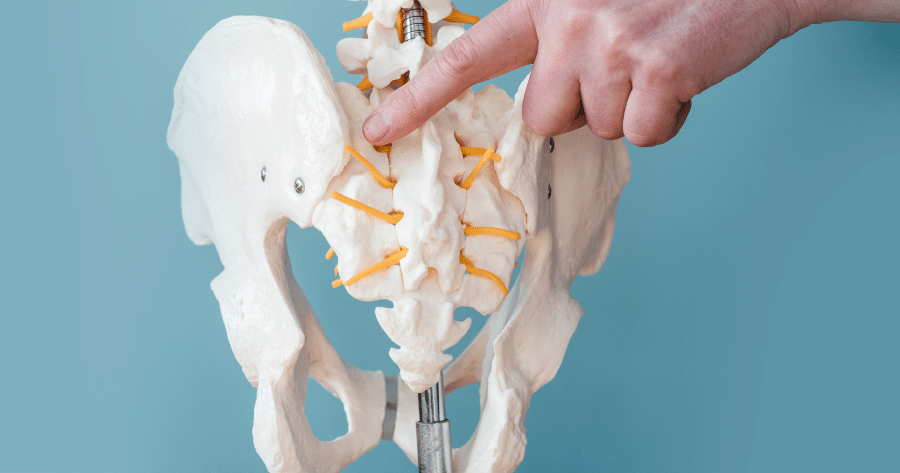
The sacroiliac joints are located where the base of the spine meets the pelvis. These joints help absorb impact during walking, standing, and lifting by transferring forces between the upper body and lower extremities. While the SI joints allow only limited motion, even subtle changes in alignment or stability can create inflammation and discomfort.
When this joint is not functioning as intended, patients may experience pain patterns that are often mistaken for lumbar spine or hip conditions.
What Causes SI Joint Pain?
SI joint pain can develop gradually or appear after a specific event. Common contributing factors include:
- Repetitive stress from physically demanding work or prolonged standing
- Hormonal and structural changes during pregnancy
- Altered biomechanics following spinal or hip procedures
- Uneven leg length or abnormal gait patterns
- Age-related joint wear
- Direct trauma, such as falls or vehicle-related injuries
Women are affected more frequently than men, particularly during or after pregnancy, due to changes in pelvic stability and ligament flexibility.
Symptoms Associated With SI Joint Dysfunction
Pain related to the SI joint often presents differently from other back conditions. Symptoms may include:
- Aching or sharp discomfort near the lower spine or upper buttock
- Pain that worsens when rising from a seated position
- Difficulty standing on one leg or shifting weight
- Discomfort after long periods of sitting or walking
- A sensation of stiffness or instability in the pelvis
- Pain that may extend into the upper thigh but does not follow a nerve pathway
Because these symptoms overlap with other musculoskeletal conditions, SI joint pain is frequently underdiagnosed.
How Sacroiliac Joint Pain Is Evaluated
Accurately identifying SI joint pain requires a careful and methodical approach. Evaluation typically involves:
- A detailed review of symptom history and daily activity limitations
- Physical maneuvers designed to stress the SI joint
- Imaging studies to rule out alternative sources of pain
- Diagnostic injections are used to confirm whether the joint is contributing to symptoms
Pinpointing the pain generator is essential before determining the appropriate course of treatment.
Non-Surgical Treatment Options for SI Joint Pain
Many patients find relief through conservative care. Treatment plans may include:
- Targeted physical therapy focused on pelvic stabilization
- Anti-inflammatory medications to reduce joint irritation
- Activity modification to limit aggravating movements
- Image-guided injections for temporary symptom relief
These approaches are often effective when combined and customized to the patient’s condition and activity level.
When Advanced Treatment May Be Considered
If symptoms persist despite conservative management, further intervention may be discussed. Advanced treatment options such as SI joint fusion aim to reduce excessive joint movement and address structural contributors to pain. Decisions regarding next steps are made only after confirming the SI joint as the primary pain source and reviewing all available options with the patient.
SI Joint Pain Care in Houston & Beaumont, TX
At Spine Associates, care is centered on accurate diagnosis and thoughtful treatment planning. Dr. Richard Francis and the clinical team focus on identifying the true cause of pain rather than treating symptoms in isolation. Every patient receives an individualized plan designed to improve mobility, comfort, and quality of life.
If you are experiencing ongoing lower back or pelvic pain that has not improved with standard treatments, an evaluation may help determine whether the SI joint is involved. Reach out for more information on becoming a patient.
Frequently Asked Questions About SI Joint Pain
How can I tell if my pain is coming from the SI joint?
Pain that is concentrated near the lower back and pelvis, especially on one side, and worsens with movement or position changes may suggest SI joint involvement.
Is SI joint pain permanent?
Not always. Many cases improve with appropriate non-surgical treatment, especially when addressed early.
Can imaging alone diagnose SI joint pain?
Imaging helps rule out other conditions, but SI joint pain diagnosis often relies on a combination of physical examination and targeted testing.
Does SI joint pain cause leg pain?
SI joints can refer pain to the upper thigh or groin, but typically does not follow a nerve distribution like sciatica.
Who should evaluate SI joint pain?
A spine specialist experienced in pelvic and lower back conditions is best equipped to assess SI joint dysfunction.
What happens if SI joint pain is left untreated?
Persistent SI joint pain can limit mobility, affect posture, and interfere with daily activities over time.