
Uneven Posture Specialists in Beaumont & Houston, TX
Uneven Posture Treatment at Spine Associates
Uneven posture is one of the most noticeable signs of adult scoliosis. When the spine curves or rotates out of normal alignment, the rest of the body often compensates. This shift can cause visible differences in the height of the shoulders, uneven hips, a leaning torso, or the sensation that one leg is longer than the other.
For many adults, these changes develop gradually over time and may begin as slight imbalances that become more obvious as the spinal curve progresses. Uneven posture is not just cosmetic—it can affect comfort, mobility, balance, and overall spinal health.
Are You Ready to Get Back to Normal?
We treat a variety of spine conditions, including acute back disorders, sciatica, scoliosis (both adult and pediatric), failed spine surgeries, spinal deformities, fractures, spondylolisthesis, and pinched nerves. At Spine Associates, we know the importance of addressing inflammatory and degenerative conditions such as herniated discs, degenerative disc disease, spinal stenosis, osteoporosis, and arthritis. Call us at 888-977-4625 to schedule your appointment.
What Causes Uneven Shoulders and Hips in Scoliosis?
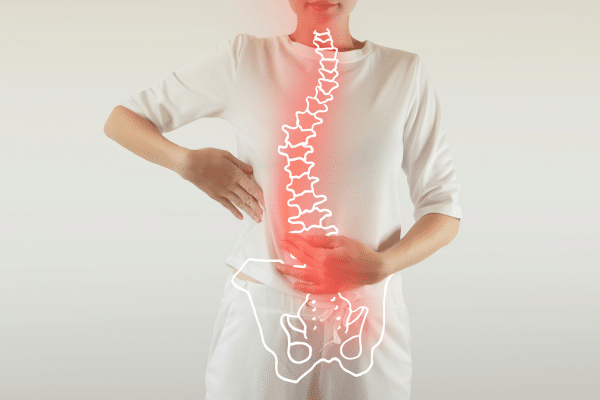
Uneven posture in adult scoliosis typically develops due to structural changes in the spine and pelvis. As the spinal curve shifts, the rib cage, muscles, and pelvic region adapt to the new alignment.
These adjustments can cause one shoulder to rise higher, one hip to rotate forward, or the torso to drift to one side. Degenerative scoliosis, which occurs as discs and joints wear down with age, can also introduce new asymmetry for adults who never had scoliosis earlier in life.
As the spine loses height on one side or rotates, the entire upper body can begin to compensate, resulting in an uneven posture that becomes increasingly noticeable.
Signs and Symptoms of Uneven Posture
Common signs of uneven posture related to adult scoliosis include one shoulder sitting higher than the other, one hip appearing elevated, or a visible lean when standing or walking.
Clothing may fit differently from side to side, and some people notice that their head no longer appears centered over their pelvis.
These postural changes may be accompanied by muscle fatigue, stiffness, or back pain because one side of the body often works harder to support the imbalance. When these changes become persistent, a professional evaluation is recommended to determine whether scoliosis is the underlying cause.
Uneven posture can be caused by other factors such as spinal stenosis, disc degeneration, herniated discs, or nerve pain conditions like sciatica which is why it’s important to reach out to Spinal Associates for an appropriate diagnosis and treatment plan.

Why Uneven Posture Matters for Long-Term Spine Health
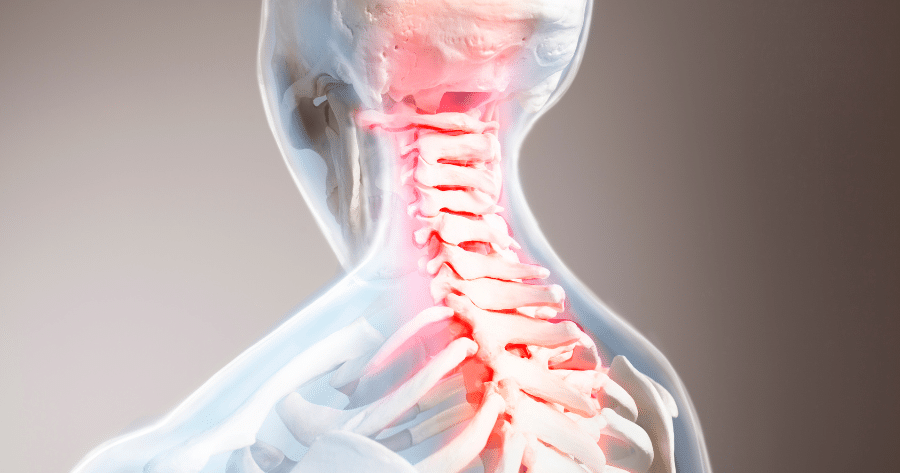
Uneven posture plays an important role in how adult scoliosis progresses. When the spine curves, surrounding muscles and joints are placed under uneven stress. Over time, this can contribute to muscle tightness, joint wear, nerve irritation, and reduced physical endurance. Even mild postural shifts can lead to compensation patterns that strain the lower back, hips, and neck. If posture continues to worsen, it may indicate that the curve is progressing or that new degenerative changes are occurring. Addressing these issues early helps preserve mobility and slows the potential worsening of the curvature.
Treatment Options for Improving Uneven Posture
Treatment for uneven posture in adult scoliosis focuses on improving alignment, stability, and function. A conservative approach often begins with physical therapy that strengthens the core, improves posture awareness, and trains the body to support the spine more effectively.
Targeted exercises can reduce muscle imbalance and relieve discomfort. In some cases, supports or bracing may help reduce strain and encourage better alignment during daily activities. For individuals with significant curvature progression or symptoms that interfere with daily life, surgical options may be considered to restore stability and improve overall posture.
The team at Spine Associates evaluates each patient individually to identify the most effective plan for reducing symptoms and improving everyday function. Reach out for more information on becoming a Spinal Associates patient.