
Your spine plays a critical role in supporting your body, protecting your spinal cord, and allowing movement. When the structures that stabilize the spine are weakened or damaged, the vertebrae may move more than they should. This condition is known as spinal instability. Left untreated, spinal instability can cause ongoing pain, nerve compression, and reduced mobility.
Understanding spinal instability symptoms and how the condition is diagnosed can help you take the right steps toward relief and recovery.
What Is Spinal Instability?
Spinal instability occurs when the vertebrae in your spine move excessively or abnormally. Normally, spinal discs, joints, ligaments, and muscles work together to maintain proper alignment and stability. When these structures are compromised, the spine may no longer function as it should.
This abnormal motion can irritate nearby nerves, strain muscles, and cause inflammation. Spinal instability can develop in the neck (cervical spine) or lower back (lumbar spine), where mobility and stress are greatest.
Common Causes of Spinal Instability
Several conditions can weaken the structures that support the spine. Degenerative disc disease is one of the most common causes. As discs wear down over time, they lose height and strength, reducing stability between vertebrae. Injuries from accidents, falls, or repetitive stress can also damage ligaments or joints, making it harder for the spine to maintain proper alignment. Conditions such as spondylolisthesis, where one vertebra slips forward over another, can also lead to instability. Previous spine surgery, arthritis, and congenital conditions may also contribute.
Symptoms of Spinal Instability
Spinal instability symptoms can vary depending on the location and severity of the condition. Common signs include:
- Persistent neck or back pain
- Pain that worsens with movement
- Muscle tightness or spasms
- A feeling that the spine is “giving way” or not supporting you properly
- Numbness, tingling, or weakness in the arms or legs
- Difficulty standing, walking, or maintaining certain positions
Symptoms may develop gradually or appear after an injury.
How Spinal Instability Is Diagnosed
Accurate diagnosis begins with a thorough evaluation by a spine specialist. This includes reviewing your medical history, symptoms, and physical function.
During the physical exam, your physician will assess your posture, range of motion, strength, and nerve function. This helps identify signs of instability or nerve involvement.
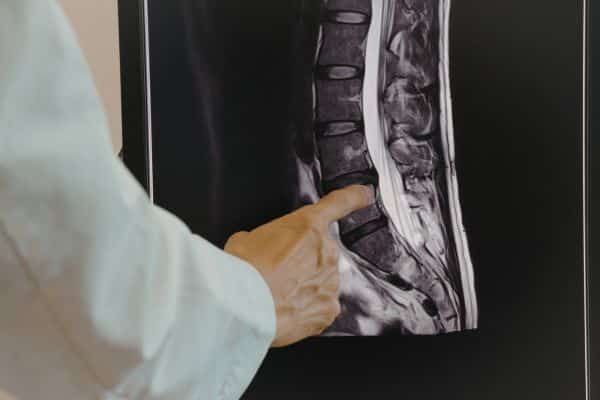
Imaging studies play an important role in confirming the diagnosis. X-rays can show vertebral alignment and abnormal movement, especially when taken in different positions. MRI scans provide detailed images of discs, nerves, and soft tissues. In some cases, CT scans may be used for additional detail.
These diagnostic tools allow spine specialists to identify the exact cause and severity of instability.
Treatment Options for Spinal Instability
At Spine Associates, treatment typically begins with conservative approaches whenever possible. Many patients improve with non-surgical care designed to strengthen and stabilize the spine.
Treatment options may include:
- Physical therapy to improve strength and stability
- Activity modification to reduce stress on the spine
- Anti-inflammatory medications
- Targeted spinal injections to reduce inflammation
These treatments focus on improving support for the spine and relieving symptoms.
If conservative treatment does not provide sufficient relief, surgical stabilization may be considered to restore proper alignment and function.
Get Expert Evaluation for Spine Pain and Instability
Spinal instability can interfere with your daily life, but early diagnosis and proper treatment can help restore stability and reduce pain. Identifying the underlying cause is essential to developing an effective treatment plan.
Spine Associates in Beaumont and Houston provides comprehensive spine evaluations using advanced diagnostic tools and a conservative-first approach. Their goal is to help you regain stability, reduce discomfort, and return to normal activities safely.