
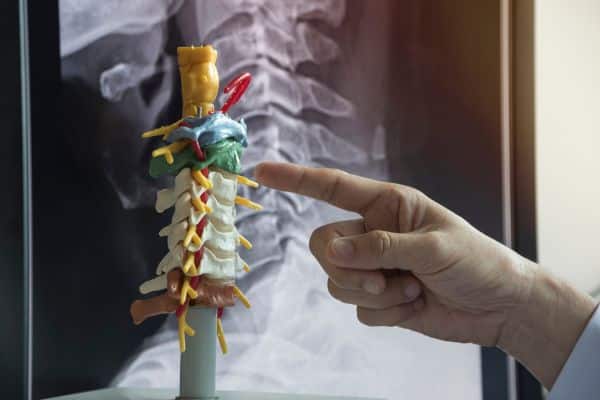
If you are experiencing sharp pain, tingling, numbness, or weakness that travels from your neck into your arm or from your lower back into your leg, you may be dealing with radiculopathy. Cervical and lumbar radiculopathy occur when a nerve in the spine becomes compressed or irritated. This pressure disrupts normal nerve function and can cause symptoms far beyond the spine itself.
Understanding radiculopathy symptoms, causes, and treatment options is the first step toward relief and restoring normal movement.
What Is Cervical and Lumbar Radiculopathy?
Radiculopathy refers to irritation or compression of a spinal nerve root. The location of the affected nerve determines where symptoms occur.
Cervical radiculopathy originates in the neck and may cause pain, numbness, or weakness in the shoulder, arm, or hand.
Lumbar radiculopathy develops in the lower back and often affects the hip, buttock, leg, or foot. This condition is commonly associated with sciatica.
Because spinal nerves control sensation and muscle function, compression can lead to both pain and functional limitations.
Common Symptoms of Radiculopathy
Radiculopathy symptoms vary depending on the affected nerve, but often include:
- Sharp, radiating pain in the arm or leg
- Tingling or “pins and needles” sensations
- Numbness in specific areas
- Muscle weakness
- Burning or electric-like pain
- Pain that worsens with certain movements
Unlike localized muscle soreness, radiculopathy pain typically follows a specific nerve path. Symptoms may develop gradually or appear suddenly.
What Causes Nerve Compression in the Spine?
Several spine conditions can lead to radiculopathy. One of the most common causes is a herniated disc. When a disc shifts or ruptures, it can press directly on nearby nerves.
Degenerative changes in the spine may also contribute. As discs naturally wear down over time, the space available for nerves can narrow, increasing the risk of compression.
Bone spurs, spinal stenosis, and injuries can also place pressure on spinal nerves. These structural changes can disrupt normal nerve function and cause persistent symptoms.
Why Early Evaluation Is Important
Ignoring nerve-related symptoms can allow the condition to worsen over time. Continued nerve compression may lead to increased pain, reduced mobility, and muscle weakness.
Early diagnosis allows spine specialists to identify the exact source of nerve compression and recommend the most effective treatment plan. In many cases, non-surgical treatments can successfully relieve symptoms and restore function.
Treatment Options for Cervical and Lumbar Radiculopathy
At Spine Associates, treatment begins with conservative care whenever possible. Many patients improve without surgery through targeted, non-invasive treatments.
Treatment options may include:
- Physical therapy to improve strength and stability
- Anti-inflammatory medications to reduce nerve irritation
- Activity modification to prevent further strain
- Image-guided injections to reduce inflammation
These treatments focus on relieving pressure on the affected nerve and promoting healing.
When conservative treatments are not effective, surgical options may be considered to restore nerve function and relieve persistent symptoms. Surgery is recommended only after careful evaluation and when appropriate for the patient’s condition.
Restore Comfort and Function with Expert Spine Care
Radiculopathy can interfere with daily life, work, and physical activity, but effective treatment options are available. With accurate diagnosis and individualized care, many patients experience significant relief.
Spine Associates is committed to identifying the root cause of your symptoms and guiding you through the most appropriate treatment approach. Their conservative, patient-focused philosophy ensures that every option is carefully considered to help you safely return to normal function.