
Spondylolysis Treatment in Houston & Beaumont, TX
Spondylolysis Specialists in Texas
Spondylolysis is a common cause of lower back pain in children, teens, young adults, and active individuals who participate in sports that involve repeated extension or rotation of the spine. At Spine Associates, our spine specialists diagnose and treat spondylolysis using advanced imaging, evidence-based techniques, and personalized treatment plans that help reduce pain and restore healthy spine movement.
Spondylolysis occurs when a stress fracture or defect develops in the pars interarticularis, a small piece of bone that connects the vertebrae in the lower back. This condition often affects the L5 vertebra and may be present on one or both sides of the spine. In some cases, spondylolysis can progress to spondylolisthesis, which is when the vertebra slips forward out of normal alignment.
GO WITH THE TEAM THAT YOU TRUST
It makes sense to seek multiple opinions from specialists when you’re considering a possible spinal operation. Almost all of our patients do exactly that, and in the end, they come to us. There are multiple reasons why, but it is largely about trust. Our reputation has been built upon patient successes and real results, repeated many times over many years. We invite you to read the success stories from our patients to learn about our approach and their outcomes firsthand. Then discuss with your doctor about the best place to receive care.
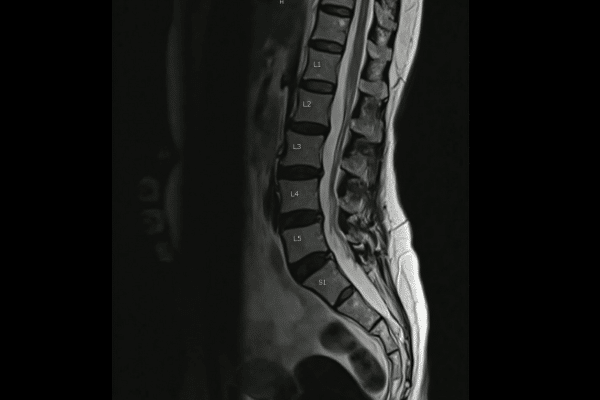
What Causes Spondylolysis?
Spondylolysis is usually caused by repeated stress on the lower spine. Young athletes who participate in gymnastics, football, weightlifting, wrestling, dance, and other sports that involve frequent bending or twisting are at higher risk. Other causes include genetic factors, rapid growth during adolescence, overtraining, and poor core strength. Some individuals may have a naturally thinner bone structure in the pars region, which makes them more prone to stress fractures
Symptoms of Spondylolysis
The most common symptom of spondylolysis is lower back pain that worsens with activity and improves with rest. Many patients notice pain during extension movements such as arching the back, standing for long periods, or lifting. Other symptoms include stiffness, tight hamstrings, difficulty bending, and occasional leg discomfort. In more advanced cases where spondylolisthesis develops, nerve compression may lead to numbness, tingling, or weakness that travels down the legs.
Because symptoms can vary widely, proper diagnosis through detailed evaluation and imaging is essential.
Diagnosing Spondylolysis at Spine Associates
Most patients with spondylolysis improve with non-surgical treatment. Rest, bracing, physical therapy, and activity modification are the primary methods used to facilitate the fracture’s healing. Physical therapy focuses on improving core strength, flexibility, posture, and spinal stability to reduce stress on the lower back. Anti-inflammatory medications may also help reduce pain during the healing process.
For many patients, a combination of rest and rehabilitation provides long-lasting improvement.

When Surgery Is Recommended for Spondylosis?
Surgery for spondylolysis is typically considered only when conservative treatments fail or when the fracture causes persistent instability or nerve compression. In some cases, minimally invasive spine surgery may be recommended to repair the stress fracture or stabilize the affected vertebra. Spine Associates offers advanced surgical techniques that limit tissue disruption and support faster recovery when surgery is necessary.
Reach out to book an appointment with Spine Associates.
To learn more about our minimally invasive spine surgery techniques and whether surgery is an option for your pain relief, request a consultation in Houston or Beaumont, TX. You can also call us at 1-713-383-7100 to schedule your appointment.
Frequently Asked Questions
What is the main cause of spondylolysis?
The condition is usually caused by repeated stress or overuse of the lower spine, especially in young athletes.
Can spondylolysis heal without surgery?
Yes. Most cases heal with rest, physical therapy, and activity modification.
Is spondylolysis the same as spondylolisthesis?
No. Spondylolysis is a stress fracture. Spondylolisthesis occurs when a vertebra slips forward, which sometimes happens after a fracture.